What Is a Creamery? A Clear Definition of Dairy Processing
Karl - January 26, 2026
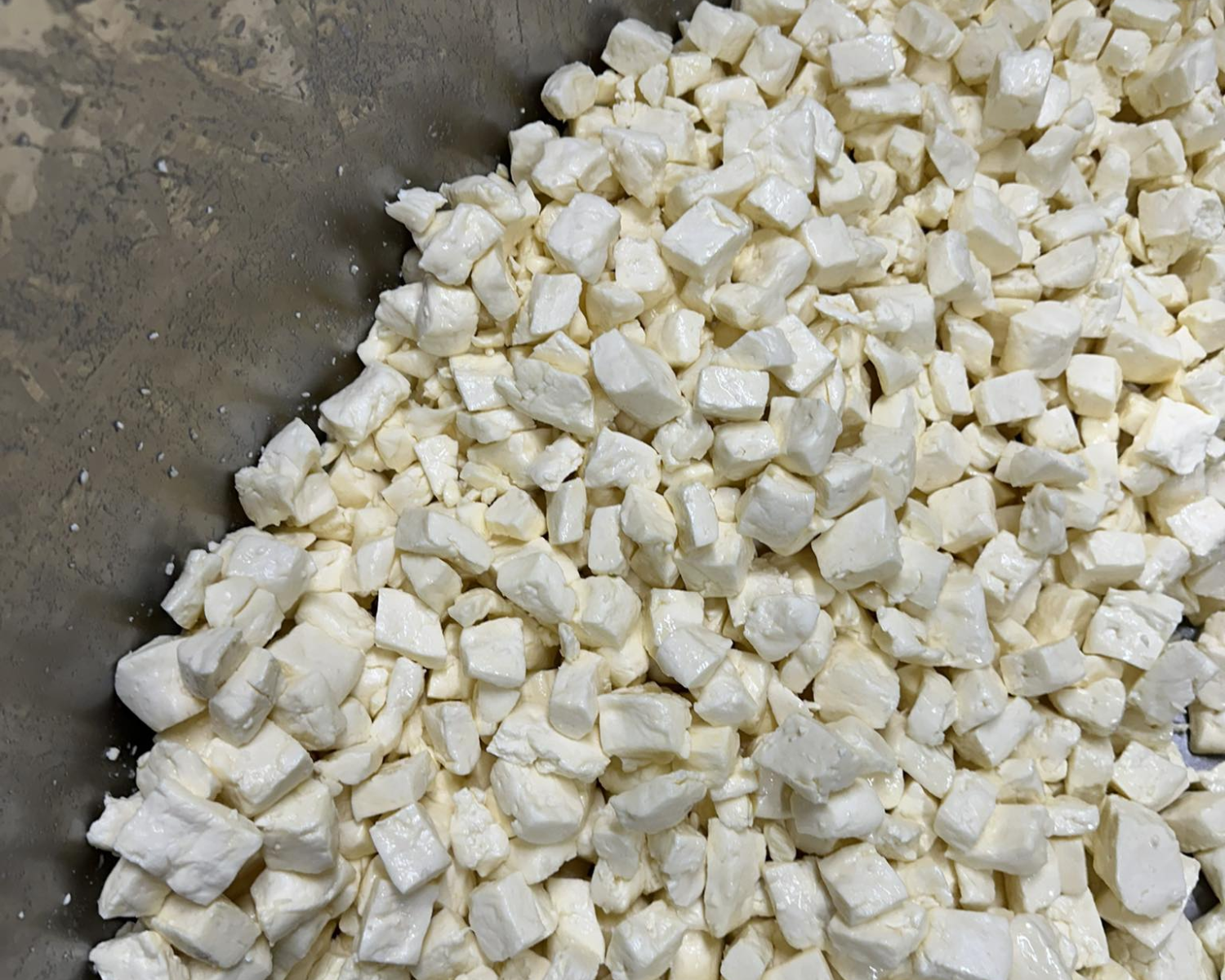
Photo Credit: Two Guernsey Girls Creamery www.twoguernseygirlscreamery.net
The word “creamery” gets used a lot, and not always accurately. In its simplest and most correct form, a creamery is a business that processes dairy. That processing can take many forms, from bottling milk to making cheese, butter, ice cream, yogurt, or other value-added dairy products. What defines a creamery is not the storefront or the brand name, but the fact that raw milk or cream is transformed into something else.
Historically, a creamery was the place where farmers brought milk to be separated, churned, or preserved. While the scale and technology have changed, the core function has not. A creamery takes dairy and turns it into a finished product.
Dairy Processing Is the Key Distinction
At its core, a true creamery performs dairy processing on site. That means handling milk, cream, or other dairy inputs in a licensed facility and altering them through mechanical, thermal, or biological processes. Pasteurization, culturing, aging, freezing, churning, and separation all fall under this umbrella.
This is an important distinction because many businesses use the word “creamery” in their name without actually processing any dairy. In those cases, the term is descriptive or nostalgic rather than technical. A real creamery is defined by what it does, not what it calls itself.
Different Types of Creameries
Not all creameries look the same, and not all produce the same products. Some creameries focus on fluid milk, bottling whole milk, cream, chocolate milk, or other beverages. Others specialize in ice cream, using cream, milk, and sugar to create frozen dairy products on site.
Cheese creameries process milk into curds and whey, then further age, salt, and finish those curds into various styles of cheese. Many also sell fresh byproducts like cheese curds or utilize whey in additional products. Yogurt and cultured dairy creameries rely on fermentation, transforming milk through bacterial cultures into yogurt, skyr, kefir, or similar foods.
Some creameries extend beyond food entirely. By using milk fats, whey, or other dairy components, they produce soaps, lotions, balms, and skincare products. These operations still qualify as creameries because they are processing dairy inputs into finished goods, even if those goods are not edible.
Farmstead vs. Off-Farm Creameries
Creameries can also be categorized by where their milk comes from. Farmstead creameries process milk from their own animals, often on the same property where the dairy animals are raised. These operations tightly control feed, animal care, and milk handling from start to finish.
Other creameries purchase milk from nearby farms or cooperatives and focus entirely on processing. Both are legitimate forms of creamery operation. The distinction is about sourcing, not authenticity. What matters is that dairy processing is happening within the business.
Why Franchise “Creameries” Are Different
Businesses like Cold Stone Creamery are not creameries in the traditional or technical sense. They are retail franchises that serve dairy-based products, but they do not process milk or cream on site. The ice cream is manufactured elsewhere in industrial facilities and shipped in as a finished product. The local storefront’s role is assembly and service, not dairy processing.
This doesn’t make those businesses illegitimate, but it does place them in a different category. They are food service operations, not dairy processors. The word “creamery” in these cases functions as branding rather than description.
Why the Definition Matters
Understanding what a creamery actually is helps clarify conversations about local food, dairy supply chains, and agricultural processing. True creameries are part of the food system itself. They interact directly with farmers, milk quality, regulation, and regional infrastructure.
When people talk about supporting creameries, they are usually referring to businesses that process dairy, not simply sell it. That distinction matters for transparency, regulation, and understanding where food actually comes from.
At its most basic level, a creamery is a place where dairy becomes something else. The products may differ, the scale may vary, and the end use may surprise you, but the defining feature remains the same: dairy is processed there.