Why Are Beef and Cattle Prices Going Up — and What Do Gold and Silver Have to Do With It?
Karl - February 24, 2026
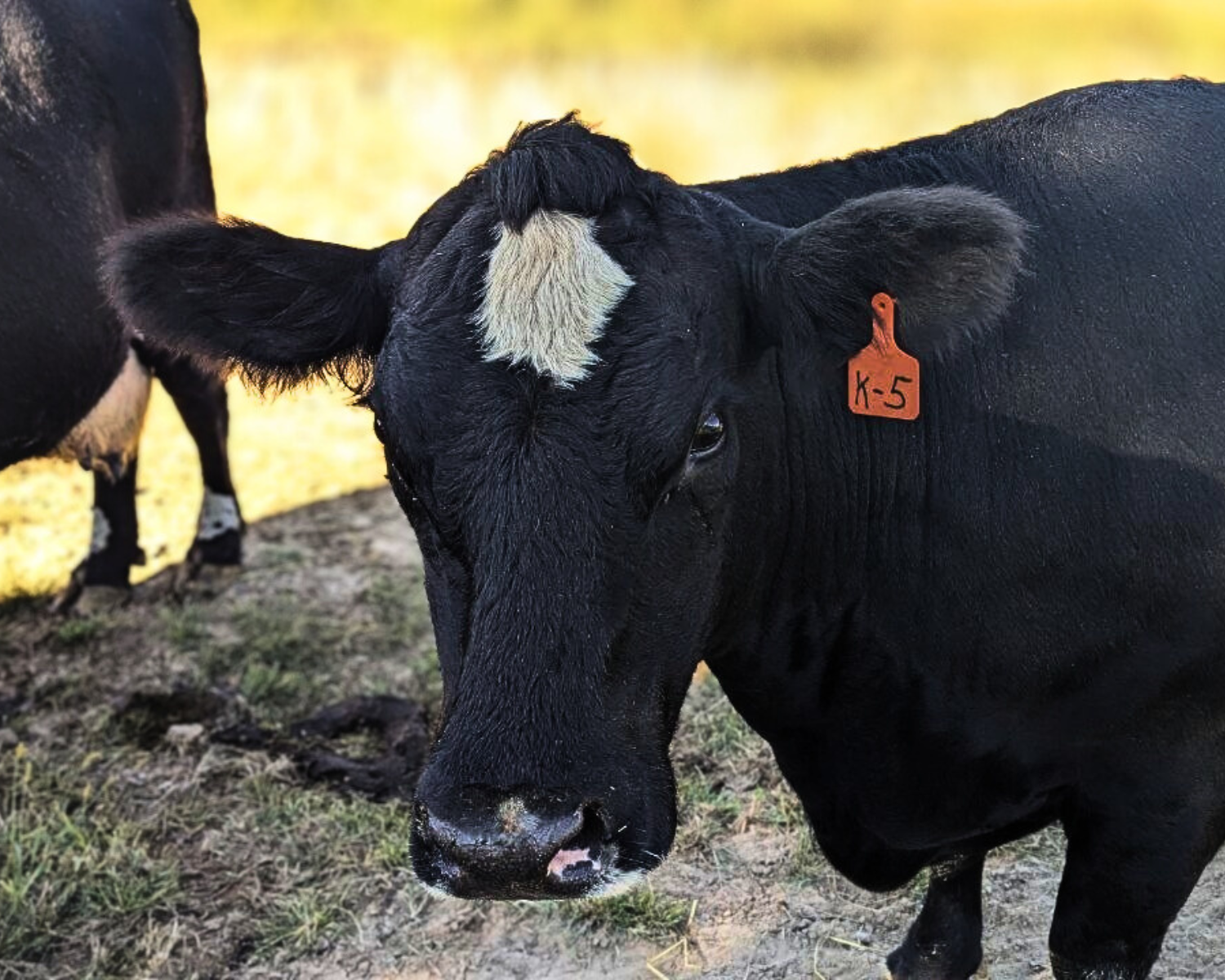
Lately I’ve noticed something that’s hard to ignore. As gold and silver prices keep pushing higher, the cost of cattle and beef seems to be moving in the same direction. I recently bought a quarter Angus beef from a local farm in Waukesha County for $1,400. Around the same time, I was seeing Angus cattle listed online for roughly $4,500 per head. On the dairy side, prices for productive milking Holsteins have climbed as well, especially for younger cows with strong production records. These numbers feel very different on the surface, but they’re part of the same story.
Precious metals usually move first because they trade in financial markets and react instantly to inflation and monetary policy. Food moves slower. Cattle land somewhere in between. That includes both beef and dairy animals. Every major input that goes into raising cattle — feed, fuel, fertilizer, labor, equipment, transportation — is priced in dollars. When the dollar buys less, it doesn’t take long before that shows up in cattle prices and, eventually, at the meat counter and in the dairy case.
There’s an old idea that over long stretches of history, a head of cattle tends to track the value of an ounce of gold. It’s not a perfect rule and it doesn’t hold year to year, but the pattern shows up often enough to matter. Whether it’s an Angus steer or a productive Holstein cow, livestock holds real value in a way cash doesn’t. When currency is being devalued, tangible assets quietly adjust upward, regardless of whether wages or savings keep up.
Buying beef or milk directly from a local farm makes this easier to see. Local food prices often lag behind commodity markets and financial assets, which is why a quarter beef or a gallon of milk can still feel reasonable even as gold and silver rise. That gap usually closes. When metals are climbing, they’re not predicting anything new — they’re just showing what food prices will reflect a little later.